
Wet air most of the year, afternoon storms through the summer, and hotel rooms that run cold after a walk in the heat. Hem length that looked finished on carpet will not automatically look finished on International Drive after the storm.
Why the city changes a hem
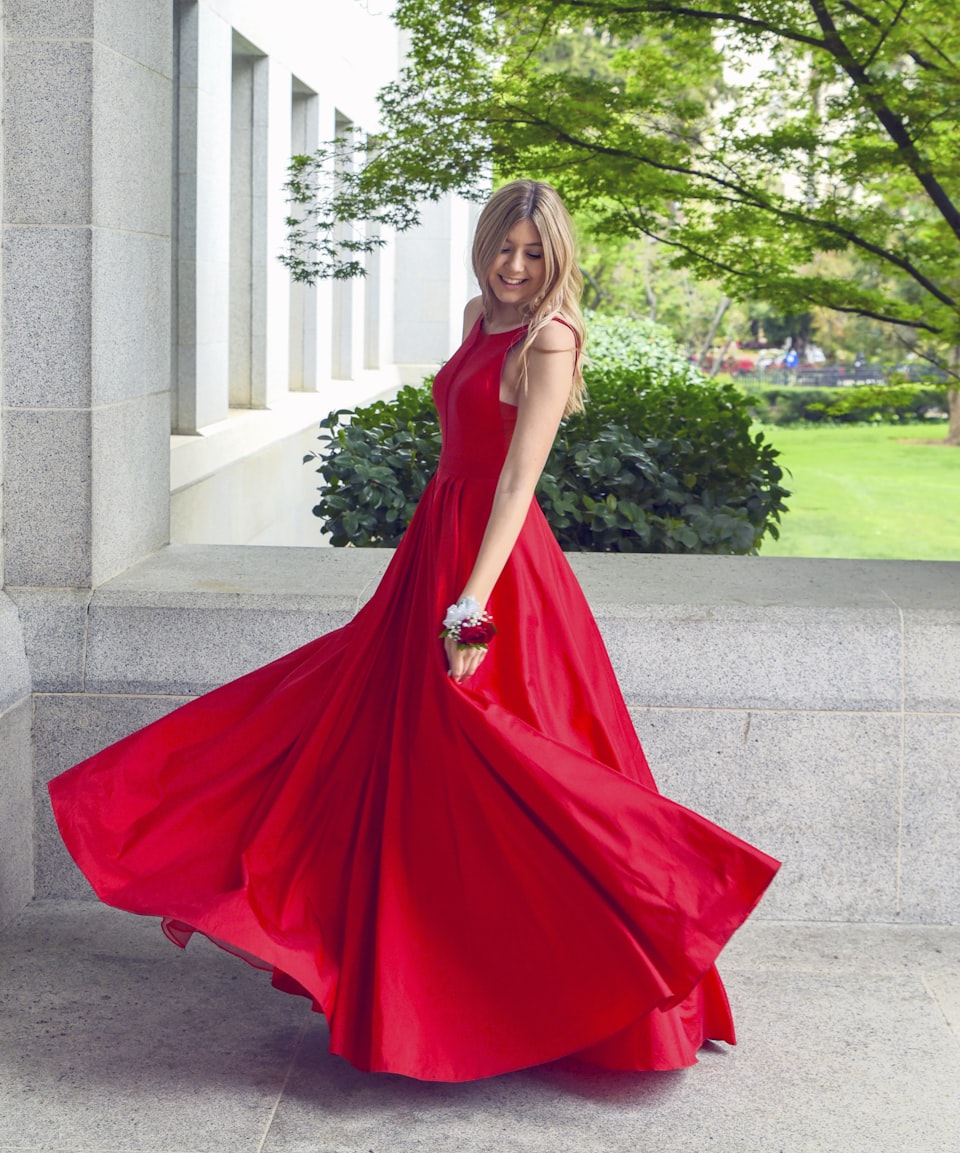
Central Florida holds water in the air. Orlando sits in a humid subtropical climate, about fifty miles from both coasts, so the city is as sticky as a beach town without the breeze off the water. Summer dew points sit in the oppressive range on most July and August days. Average relative humidity for the year runs near three-quarters; June through September is wetter still.
That is also thunderstorm season. From June into early fall, a short hard rain often arrives between mid-afternoon and evening. Sidewalks stay slick after it. Brick around downtown, concrete on I-Drive, and park paths hold water long after the sky opens back up. A crepe, chiffon, or unlined satin that cleared tile in dry air can kiss the ground once the cloth has sat in that weather. Humidity lets some fabrics relax and lengthen; wet pavement grabs a hem that carpet would have hidden.
Hotel ballrooms run the other way. Air-conditioning after a warm walk makes a bodice cling and a hem spring. If the night starts on a terrace or a hotel lawn and ends on marble, the length that looked right in one room will be wrong in the other. We mark for the room you will actually stand in longest, then check the hang after a walk in the shoes.
Concrete, brick, damp lawn, and hotel carpet each treat a different fabric differently. A satin guest dress on a ballroom carpet needs a different clearance than the same dress on a lakeside lawn in Lake Nona or a courtyard off Orange Avenue. Tell us the surface. “Brick at six, ballroom at eight, a wet walk between the two” is more useful than a generic floor-length.
Hotel events, park weeks, and the walk between
A lot of Orlando nights are hotel events: a gala off International Drive near the convention corridor, a dinner downtown, a reception that spills from foyer to terrace. The walk from the room to the ballroom is part of the garment. Heel height changes; humidity does too. If you will also spend a park-week evening, a late dinner after a day on your feet, a resort courtyard, a shuttle and a curb, say that. A hem that only knows carpet will drag on wet concrete.
We are a dress fitter in this city, not a bridal-salon chain. Guest looks, galas, graduations, and hotel evenings are the usual work. The dress you bring is the dress we fit.
What we change most often
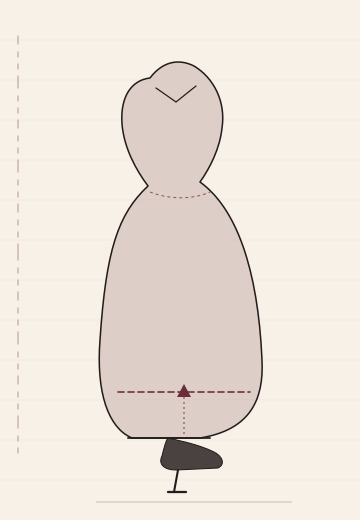
Hems come first. Length is the alteration people notice from across a room, and it is the one humidity moves. A common fitting practice is to mark with the shoes on. A half-inch of heel changes where the skirt falls. Then leave enough for a second look if the fabric relaxes. Cloth that has been stitched and then worn in Florida air often sits differently than cloth that was pinned on carpet. That second look is ordinary practice, not a slogan. The drawing of that mark is on the hem page.
Take-ins and let-outs come next. A bodice pinned in January may need air by May. Side seams, back zippers, and strap length are the usual levers. We make the silhouette you bought hang on the body you have now.
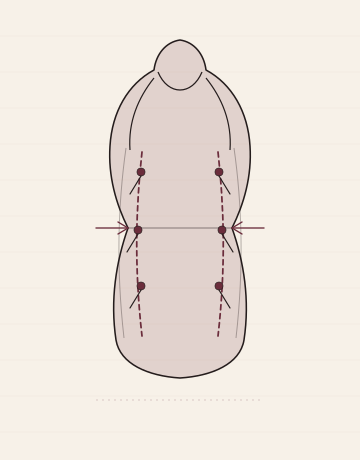
Straps and the take-in drawing on the catalog are the usual levers at the shoulder and the side seam.
Sleeves, linings, and tired zippers show up around event season. A sleeve that binds when you lift a glass is a fitting problem. Bring the motion you need, a toast, a seated dinner, a jacket over the dress, and we mark for that.
What to bring
Bring the dress on a hanger, the shoes you will wear, and the underlayer that stays on the night. Shapewear changes hip and waist more than people expect. If a jacket, wrap, or a flatter pair of shoes for after dinner is part of the evening, bring those too so length is marked as a set. Walk in the marked hem before anyone cuts. If you plan to change heel height after the meal, say so before the first stitch.
A phone photo of the invitation or the venue floor is enough. We need to know grass versus marble, daylight versus uplight, and whether you will climb a shuttle step, a hotel staircase, or a wet curb in the same look. A short list lives under What to bring.
What to write when you inquire
Length, occasion, and fabric if you know it. Name the night: a hotel ball, a downtown dinner, a park-week evening, a Lake Nona lawn. Name the rooms and the walk. If the dress is chiffon, crepe, satin, or a blend, say so. Humidity treats those cloths differently. If you have a date, put it in the message. If you are flying in and only have a window between I-4 traffic and the event, say that too.
Messages go to sales@tabaconda.com. You can name the work on the catalog first, or skip that and write the form on the ShopShopFAQ page.
A sensible timeline
When the garment is in your hands, write us. A common practice for occasion dresses is two fittings: one to mark, one to check the hang after the stitch has sat. For a Saturday event, start the conversation as soon as the dress is in your hands. The second look should not be the night before. Rush work is a conversation about what can be finished cleanly. Name the date, and we will say what the week can hold.
Read the sister note on Event dress in Orlando if the night itself is the main worry.
Publisher: Orlando Dress Fitters and Tabaconda LLC.